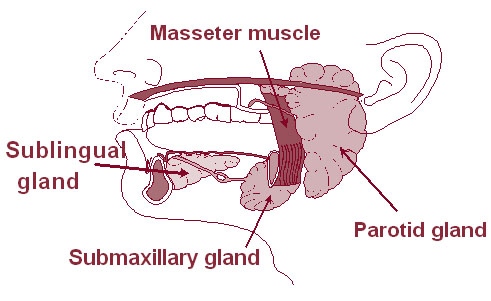
Your pituitary gland is a pea-sized gland at the base of your brain. The pituitary is the "master control gland" - it makes hormones that affect growth and the functions of other glands in the body.

Endocrine System formed by : pituitary gland , thyroid glan , parathyroid glands , adrenal glands ,pancreas , pineal gland , thymus gland , reproductive glands , digestive glands and
ANP
'It meanes atrial natriuretic peptide'
the last one is ergthro poietin
click
We will learn this chapter the next day :)
18feb2013
in 18 feb 2013
Anatomy of the thyroid gland: The thyroid gland is located in the front of the neck, below the larynx (voice box). The small, two-inch gland consists of two lobes, one on each side of the windpipe, connected by tissue called the isthmus.
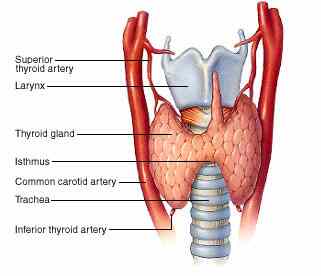
much calcium is in our bones, and how much calcium is in our blood. Calcium is the most important element in our bodies (we use it to control many systems), so calcium is regulated very carefully. Parathyroid glands control the calcium
 Adrenal glands
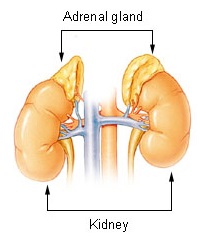
Your adrenal, or suprarenal, glands are located on the top of each kidney. These glands produce hormones that you can't live without, including sex hormones and cortisol, which helps yourespond to stress and has many other functions

It's like a Pyramid
Pancreatic gland
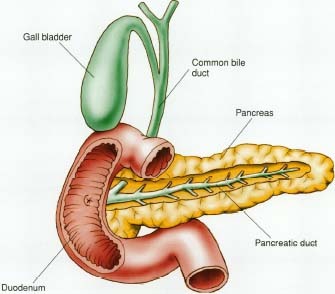
The
pancreas is a long, tapered gland which lies across and behind the
stomach. The head of the pancreas (the right-hand end which is the
broadest part of the organ) lies within the curve of the duodenum. This
gland secretes digestive juices which break down fats, carbohydrates,
proteins and acids; it also secretes bicarbonate, which neutralizes
stomach acid as it enters the duodenum. Some cells in the pancreas
secrete hormones which regulate the level of glucose in the blood